By Zahid Nawaz, Founder of Motion Graphix ·
Quick answer: Motion graphics is animated design. It takes things like text, icons, shapes, and product screens and makes them move. Companies use motion graphics to explain products, show features, and grab attention. It is different from cartoon animation because it focuses on design and information, not characters and stories.
What does motion graphics mean?
Motion graphics is graphic design that moves. Think of a logo that spins, numbers that count up, or a product screen that slides in while a voice explains it. All of that is motion graphics.
The goal is simple: make information easier to understand. Moving visuals guide your eyes. They show one idea at a time. That is why software companies love motion graphics for explainer videos and app demo videos.
What is the difference between motion graphics and animation?
All motion graphics is animation, but not all animation is motion graphics. Here is the easy way to tell them apart:
- Motion graphics moves design elements: text, icons, charts, UI screens. It explains and informs.
- Animation (in the wider sense) often means characters and stories, like a cartoon film. It entertains and tells stories.
A 90-second video showing how your app saves time? Motion graphics. A short film about a talking robot? Character animation.
Where do companies use motion graphics?
You see motion graphics everywhere once you know what to look for:
- Explainer videos on landing pages that show what a product does.
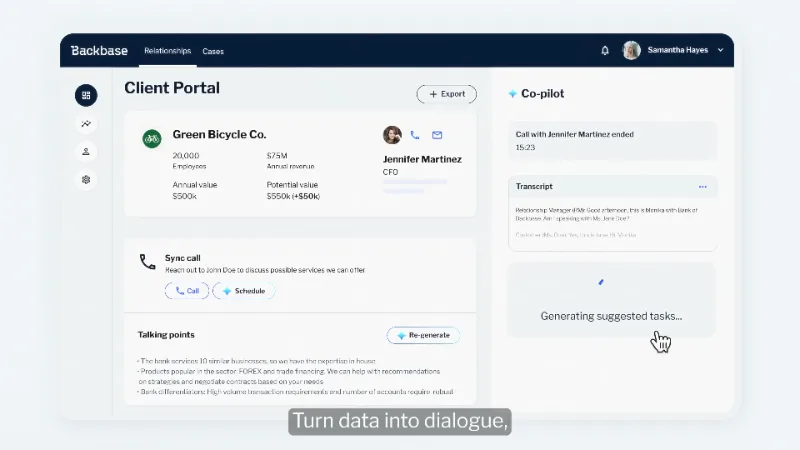
- Product demos that walk through features with animated UI screens.
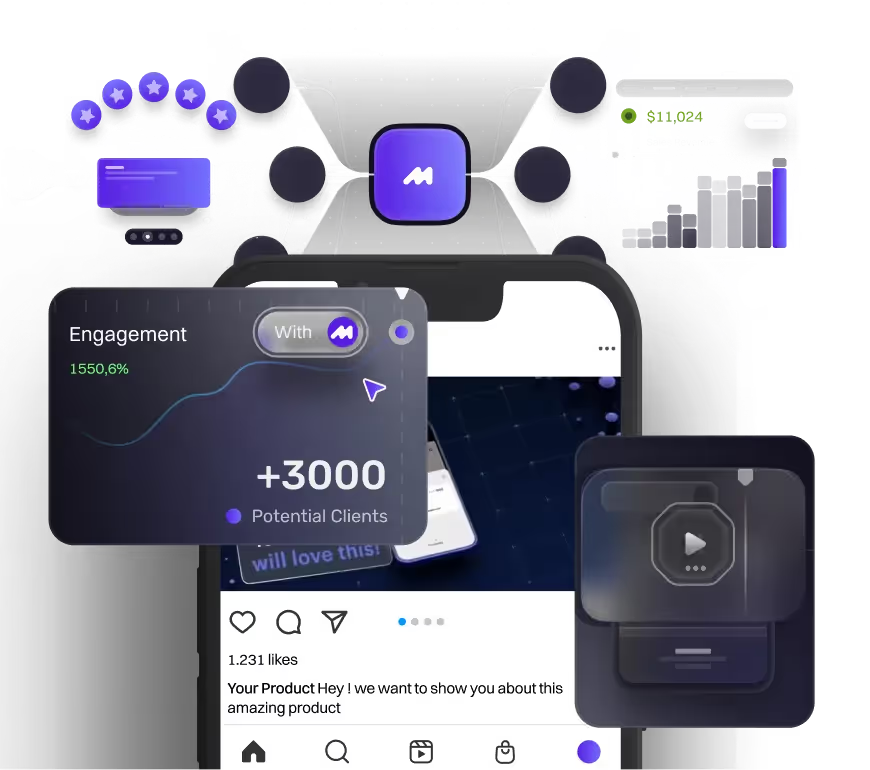
- Social media ads that stop the scroll with movement.
- Onboarding videos inside apps that teach new users.
- Logo animations at the start or end of videos.
- Conference and pitch videos that make slides feel alive.
Why does motion graphics work so well for software companies?
Software is hard to show. You cannot photograph it like a physical product. Motion graphics solves this. It can zoom into your interface, highlight one button, animate a workflow, and show a result in seconds.
It also keeps your brand in control. Colors, fonts, and style all match your website. That builds trust. A clean animated demo often converts better than a long text page because people watch instead of read.
How much does motion graphics cost?
Prices depend on length, style, and who makes it. Freelancers may charge a few hundred dollars for short clips. Studios usually charge per project. At Motion Graphix, explainer videos start at a flat package price, and a complete 60-second video starts at $1,500. You can see full details on our pricing page or read our guide on explainer video cost.
How is a motion graphics video made?
Most studios follow the same basic steps:
- Script. Write what the voice will say and what happens on screen.
- Storyboard. Sketch the main scenes so everyone agrees on the plan.
- Design. Create the final look of each scene in your brand style.
- Animation. Bring the designs to life with movement.
- Sound. Add voiceover, music, and sound effects.
A typical 60 to 90 second video takes two to four weeks from start to finish.
FAQ
Is motion graphics 2D or 3D?
It can be both. Most explainer and demo videos are 2D because it is faster, cheaper, and matches app interfaces well. 3D is used when a product needs depth, like hardware or complex visuals.
What software is used for motion graphics?
Adobe After Effects is the industry standard. Designers also use Illustrator and Figma for design, and Premiere Pro for editing.
Do I need motion graphics or live action?
If your product is software, motion graphics is usually the better fit because it can show the interface clearly. Live action works well when you want real people and faces. Many brands mix both.
Want to see motion graphics in action? Watch real examples in our portfolio or tell us about your project.