By Zahid Nawaz, Founder of Motion Graphix ·
Quick answer: A startup pitch video is 90 seconds to two minutes, follows the deck’s logic (problem, solution, traction, market, team, ask) but spends most of its time on the first three, and is built to be watched on a phone by an investor who has 40 other decks open. The strongest ones put the founder on camera for the problem and the ask, and use product footage or animation for the solution. It is a filter, not a replacement for the deck: its job is to get you the meeting.
When a pitch video is worth making
Not every raise needs one. A pitch video earns its cost in four situations: accelerator and competition applications that ask for one (Y Combinator, Techstars and most pitch competitions do), cold outreach to investors who have never heard of you, crowdfunding or community rounds where hundreds of small investors will never take a call, and a product that is hard to understand from slides alone. If you are raising from warm introductions and your product is self-explanatory, spend the money on the product.
The two-minute structure
- 0 to 10 seconds: the founder, the problem, one sentence. On camera, to lens, no title card first. “Every freight forwarder we spoke to tracks shipments in a spreadsheet someone built in 2011.”
- 10 to 30 seconds: why the problem is expensive and why now. A number or two, on screen. What changed in the market or the technology that makes this solvable today.
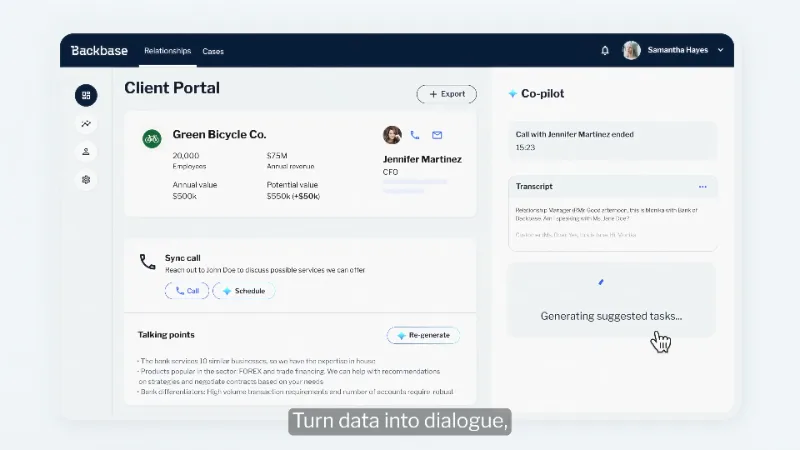
- 30 to 70 seconds: the product, actually working. Cut away from the founder to the real product (or animation if it is pre-build). One workflow, start to finish. This is where most pitch videos fail: they describe the product instead of showing it. Our product demo guide covers how to compress a workflow into 40 seconds.
- 70 to 90 seconds: traction. Revenue, users, growth rate, logos, a customer quote. If pre-revenue, waitlist, pilots, letters of intent. Specific numbers only.
- 90 to 105 seconds: team. Why you, in one line each, with the relevant credential. Not a biography.
- 105 to 120 seconds: the ask. Founder back on camera. How much, what it buys, what milestone it reaches. End with the next step: “reply to this email” or “book 20 minutes”.
Founder on camera or fully animated?
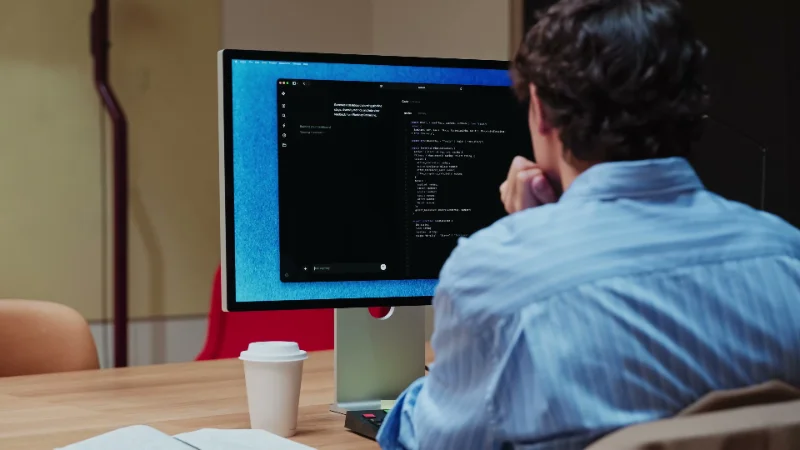
Founder on camera for the problem and the ask, every time. Investors are backing people, and a face builds more trust in ten seconds than any animation. Animation or product footage for the solution, because that is where a talking head gets boring and the product gets interesting. The mixed format is what we use for founder films such as Bloom, where investor logos and founder pedigree do the credibility work and the founder spends his time on the idea itself, and Corgi, a funding announcement that spends its time on the problem rather than the round, with numbers landing hard on black before the founders explain what the middlemen cost. Both are around 60 to 80 seconds. More on the mix in live action with motion graphics.
Production: what matters and what does not
- Matters: sound. A clean lavalier or USB mic is the single biggest quality upgrade. Bad audio reads as amateur even when the picture is good.
- Matters: light on the face, from a window or one soft light, camera at eye level.
- Matters: a script you have rehearsed until it sounds unrehearsed. Write it, cut it by a third, read it aloud ten times.
- Matters: captions. Investors watch in meetings, in cars and in bed. Assume mute.
- Does not matter: a cinematic location, a drone shot, a 4K camera. A phone on a tripod with good light and sound beats a DSLR in a dark office.
- Does not matter: an intro animation with your logo. Cut it. The investor knows your name from the email.
Mistakes that get videos closed early
- Opening with the company name and a mission statement instead of the problem.
- Spending a minute on the market size before anyone knows what the product does.
- Reading the deck aloud over the deck.
- Vague traction (“growing fast”, “strong early interest”).
- Going over two minutes. If it needs three, you have two videos: a pitch and a product demo. Send the demo as the follow-up.
- No ask at the end. The video exists to produce a meeting; say so.
Where to use it
Embed the video at the top of your data room and in the first cold email, link it from the deck’s cover slide, and cut the 30-second problem-and-product segment as a standalone clip for LinkedIn when you announce the round. The same footage, re-cut after the raise, becomes a launch video and a recruiting video. Plan the shoot for all three uses, as our repurposing guide describes.
Cost
A founder-on-camera pitch video with an animated or screen-based product segment is the same production system as our talking head videos: script support, remote direction of the founder’s recording, animation or UI capture for the product section, music, captions and every cut, for the standard $1,450. Fully animated versions for pre-product startups cost the same. Larger agencies charge $5,000 to $25,000 for a pitch film; most of the difference is a camera crew you do not need.
Quick questions
How long should a startup pitch video be?
90 seconds to two minutes. One minute for accelerator applications that specify it.
Should the founder be in it?
Yes, at least for the opening and the ask. Investors back people.
What if we have no product yet?
Animate the solution as it will work, label it clearly as a concept, and lean harder on the problem, the insight and the team. Investors at that stage are buying the thesis.
Can we reuse it after the raise?
Yes, if you keep the source files. The product segment becomes a demo, the founder segment becomes a launch or recruiting video.