Quick answer: The five main explainer video styles are 2D animation, whiteboard, screencast, live action, and 3D. For most SaaS products, 2D animation with real UI is the best balance of clarity, brand control, and cost, starting around $1,485. Whiteboard suits step-by-step education, screencasts suit feature docs, live action suits trust-building, and 3D suits hardware or premium brand moments.
2D animation: the SaaS default
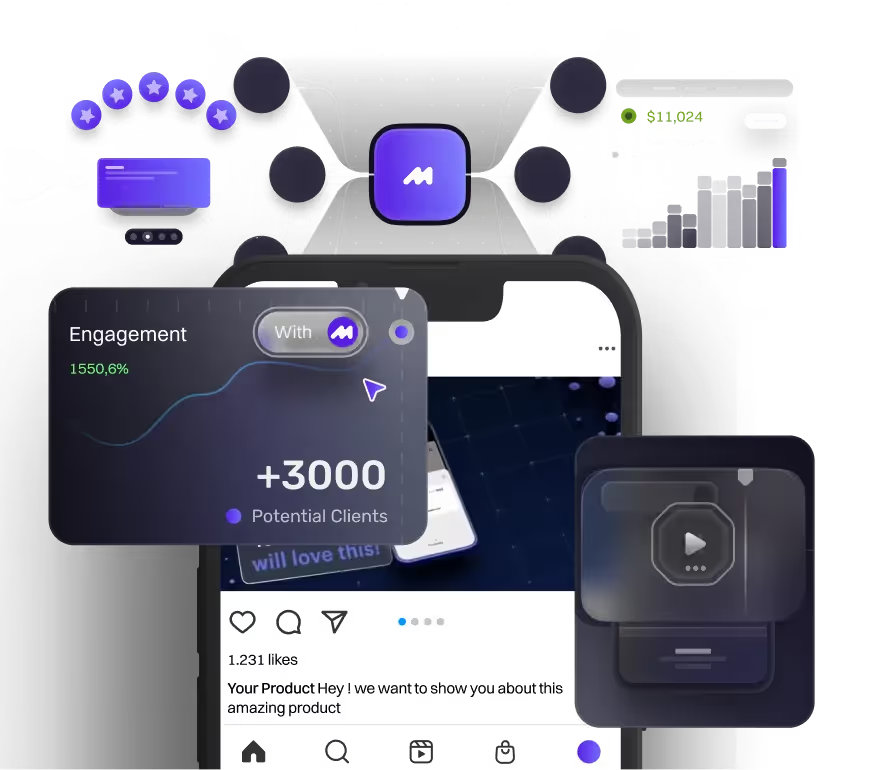
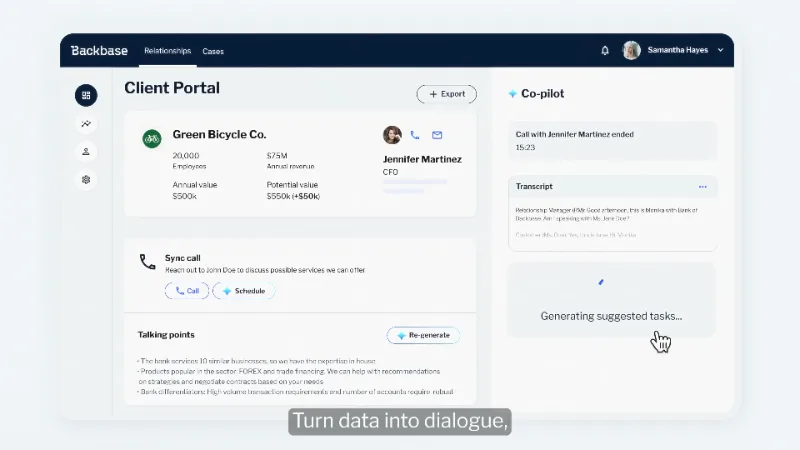
2D motion graphics combine illustrated scenes, animated UI, and kinetic text. Strengths: total control over what viewers see, easy brand matching, and clean simplification of complex products. Weaknesses: no human faces unless illustrated. Cost: $1,485 to $8,000 for 60 to 90 seconds. Best for product overviews, landing pages, and ads. See examples in our 2D explainer portfolio.
Whiteboard: education and process
Whiteboard videos draw the story in front of the viewer. Strengths: high retention for step-by-step explanations and training content. Weaknesses: the hand-drawn look feels dated for modern SaaS brands and hides real UI. Cost: $800 to $3,000. Best for internal training, education products, and process-heavy services.
Screencast: fast and functional
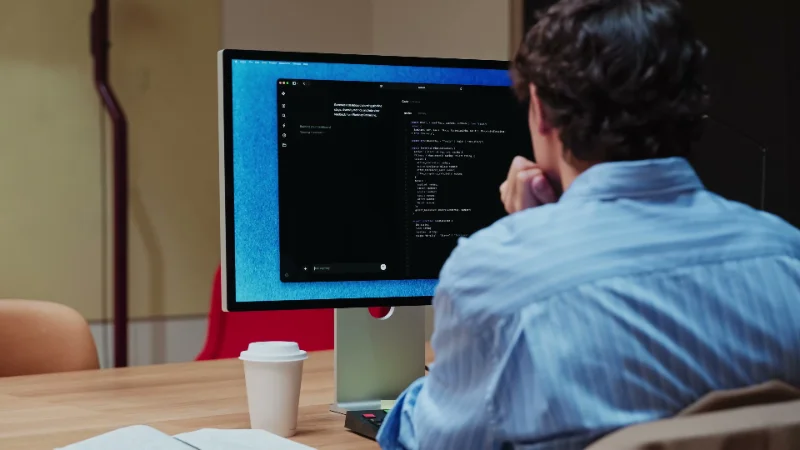
A screencast records the real product with narration. Strengths: cheapest and fastest, completely authentic. Weaknesses: raw recordings expose cluttered UI, small text, and pacing problems; they document rather than persuade. Cost: $0 in-house to $1,500 polished. Best for docs, support, and feature announcements to existing users. For marketing, a designed app demo video converts far better.
Live action: faces and trust
Real people on camera, often with motion graphics layered on top. Strengths: unmatched for credibility, testimonials, and founder-led content. Weaknesses: shoots add cost and logistics; software itself still needs animation to shine. Cost: $3,000 to $15,000+. Best for brand films, testimonials, and hybrid launches. Examples in our live action portfolio.
3D animation: premium and physical
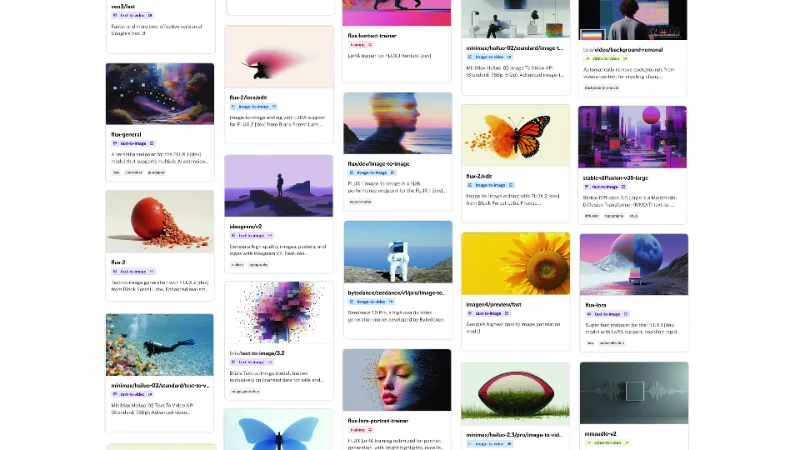
3D renders products and abstract concepts with depth and realism. Strengths: spectacular for hardware, devices, and premium brand moments. Weaknesses: the most expensive and slowest style, and usually unnecessary for pure software. Cost: $5,000 to $30,000+. Best for hardware companies and big brand campaigns.
Which explainer video style should you choose?
Selling software to businesses: 2D animation with real UI. Teaching a process: whiteboard. Updating existing users: screencast. Building trust with faces: live action. Showing a physical product: 3D. Unsure which fits your product? A free 10 to 15 second sample shows you our recommendation in your own brand before you spend anything.
Frequently asked questions
Can styles be mixed in one video?
Yes. 2D animation over live action footage is the most common hybrid, and UI screencasts often sit inside 2D scenes.
Which style is fastest to produce?
Screencasts take days; 2D explainers take 10 to 15 days; live action and 3D take three to six weeks.
Which style ages best?
2D with flat, brand-driven design ages slowest. Trend-heavy 3D and dated whiteboard styles age fastest.
Motion Graphix is a SaaS explainer video production studio that turns software products into clear, high-converting videos. Compare styles in our portfolio or get a quote.
Related reading: isometric animation for SaaS, animated versus live action and whiteboard animation cost.